Home Additions in East Palo Alto: Top Rated Room Addition Services
Transform Your Home: Inspiring Concepts for Beautiful Home Additions
Transforming a home through carefully planned additions can meaningfully elevate both its functionality and aesthetic appeal. From bright sunrooms designed to welcome sunlight to spacious decks ideal for gatherings, the choices are varied. Growing important rooms, including kitchens, strengthens family bonds, while a garage can solve storage dilemmas. Grasping key design principles and proper planning is critical. Yet, what really drives homeowners to adopt these transformations? The answer lies in the transformative power of well-executed home additions.
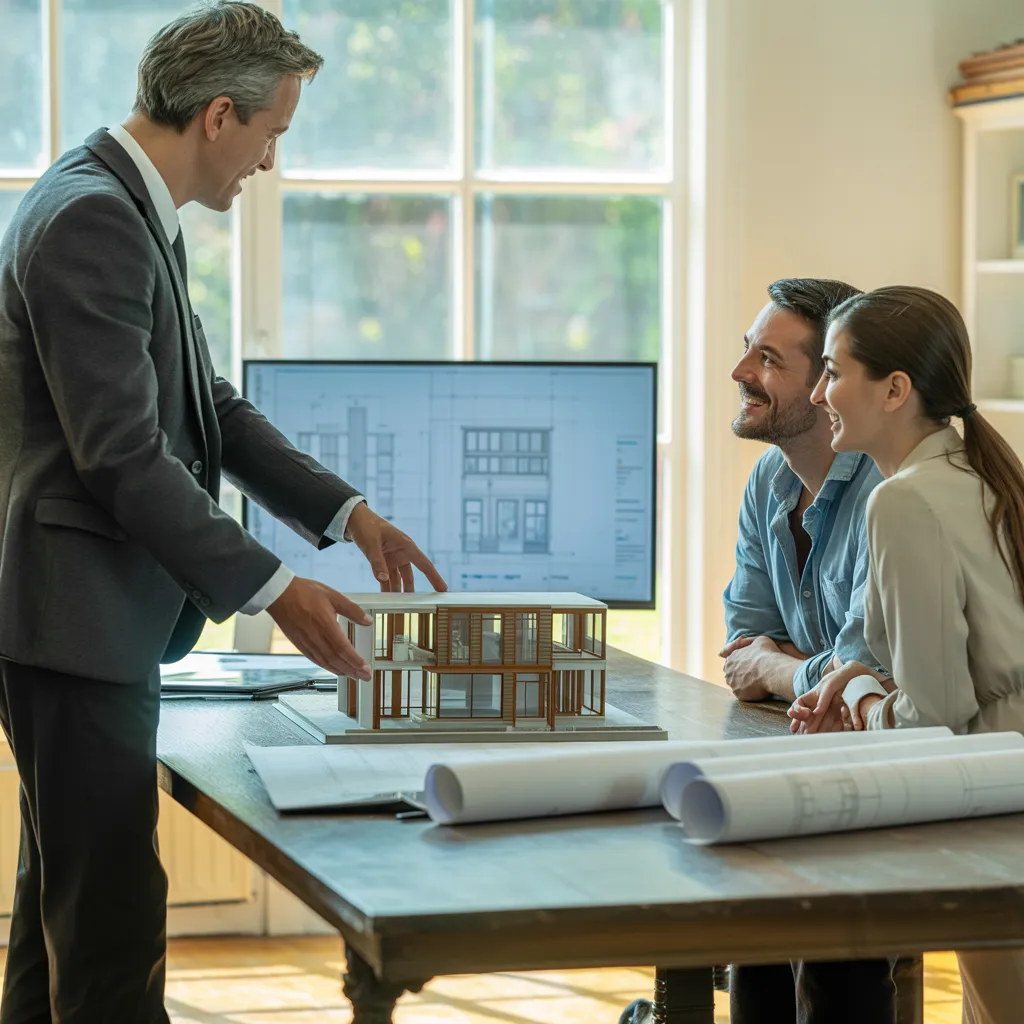
Explore Popular Home Addition Ideas to Transform Your Space
Homeowners often seek innovative ways to enhance their living environments, and discovering trending home addition concepts can provide remarkable improvements. A commonly preferred selection is the installation of a sunroom, which brings natural light indoors while creating a serene space for relaxation. Another appealing choice is a deck or patio, extending the living area outdoors and perfect for entertaining.
Homeowners may also consider enlarging their kitchen spaces, rendering them more practical and welcoming. A garage extension not only provides additional storage space but may also be used as a personal workshop or creative space.
For those needing additional sleeping quarters, a bedroom addition can offer essential privacy and comfort. Furthermore, transforming attics or basements into functional living areas offers a chance for innovative design while making the most of existing square footage. Each of these ideas has the potential to enhance both functionality and aesthetic appeal, ultimately transforming a home into a more enjoyable environment.
Ways Home Additions Can Improve Your Lifestyle?
Home additions can significantly improve living space, providing families with room to grow and adapt. Additionally, adding to a home can result in greater property value, making it a worthwhile investment. In addition, these improvements commonly encourage closer family relationships by creating shared areas for activities and gatherings.
Elevate Living Space
Expanding a living space through residential additions can significantly enhance one's way of living by providing greater functionality and comfort. For households, additional rooms can address growing needs, such as a playroom for children or a home office for remote work. A well-designed addition can create a smooth connection between outdoor and indoor spaces, promoting leisure and connection. Furthermore, integrating elements like expansive windows or open layouts cultivates a sense of spaciousness and natural connection. Improved living areas also support personalized design choices, showcasing individual tastes and preferences. Ultimately, home expansions not only maximize existing spaces but also establish surroundings that support well-being and enrich daily life.
Raise Property Value
Putting money into residential expansions can greatly elevate a property's market value, making it an intelligent financial move. By increasing living space or incorporating practical areas, sellers can appeal to interested purchasers and increase resale prices. Features such as additional bedrooms, updated kitchens, or flexible living spaces often yield significant returns on investment. Moreover, enhancements like sunrooms or decks not only elevate the home's appearance but also satisfy contemporary living aspirations, further boosting desirability. A thoughtfully executed addition can convert a property into a higher-value investment, responding to today's market conditions and buyer interests. Overall, strategic home additions represent an effective strategy for enhancing overall property value while enhancing the overall living experience for current occupants.
Foster Family Connections
A skillfully planned addition can significantly improve family relationships by developing spaces that foster interaction and closeness. Expansive floor plans, such as family rooms or generous kitchens, serve as hubs for shared activities, fostering communication and bonding. Designated areas for hobbies or playrooms provide children a place to interact, while adults can appreciate nearby social spaces. Furthermore, including outdoor living spaces, like patios or decks, enables families to come together in a welcoming environment. These enhancements not only encourage everyday bonds but also provide a backdrop for memorable gatherings and celebrations. Ultimately, thoughtfully designed home additions reshape living environments into supportive spaces that deepen family ties, improving overall quality of life.
Critical Design Elements to Transform Your Home Addition
As homeowners plan a home addition, including fundamental design features can greatly boost both appearance and usability. Key elements include natural light, which can be accomplished using large windows or skylights, establishing a luminous and appealing area. Moreover, an open floor plan fosters effortless movement between current and added spaces, creating a feeling of cohesion.
Integrating matching materials and hues confirms the addition complements the existing framework, sustaining design consistency. Careful arrangement of furnishings and fittings enhances usability, ensuring the area serves everyday needs. Outdoor connections, such as a patio or deck, help broaden living areas and foster outdoor relaxation. Furthermore, eco-conscious designs, incorporating sufficient insulation and environmentally friendly materials, provide lasting financial benefits and environmental accountability. By concentrating on these fundamental design principles, homeowners may establish a seamless and appealing addition that transforms their living experience.
Successfully Plan Your Home Addition Project
Proper planning is essential for a successful home addition project. Homeowners should begin by defining their goals, whether it's generating additional living space, improving usability, or elevating the property's worth. Developing a well-defined vision serves to navigate the design and construction process. Additionally, investigating local building codes and zoning regulations is essential to ensure adherence and prevent possible complications.
Creating a schedule that outlines each phase of the project supports maintaining clarity and responsibility. Homebuilders may also want to consider working with experts, such as architects or construction professionals, to gain expert recommendations and keep the project on track.
Moreover, prioritizing team member communication fosters collaboration and addresses issues as they arise. Finally, keeping an eye on future needs can support the development of an addition built to serve evolving needs. By applying these principles, homeowners are better equipped to manage their home addition projects with assurance and direction.
Financial Planning for Your Home Addition: Must-Know Tips
Planning the finances for website a home addition requires careful consideration and planning to minimize surprise expenditures. Property owners should start by identifying a practical budget that encompasses every element of the project, including permits, materials, labor, and unforeseen expenses. It is advisable to allocate an additional 10-20% of the total budget for unexpected circumstances.
Gathering and evaluating quotes from multiple contractors can provide valuable insights and help in making informed decisions. Moreover, property owners should weigh their necessities against their preferences, ensuring that essential features are included while remaining within budget.
Establishing a detailed timeline can aid in coordinating expenses with construction stages, alleviating economic stress. Ultimately, seeking guidance from a financial advisor or a contractor can shed more light on possible expenses and funding solutions, making certain that the budget remains manageable throughout the home addition process. This thoughtful strategy facilitates a effective and economically viable property enlargement.
Real-Life Home Addition Projects That Will Inspire You
Inspiring property addition transformations demonstrate the remarkable capacity of living spaces. One notable example is a small compact home that experienced a significant transformation with a clean-lined, modern extension. By including a roomy kitchen and dining area, the homeowners enhanced their culinary experience while establishing a inviting communal area for family and friends.
One notable transformation showcases a small residence that grew upward with a charming loft, optimizing the area while adding a comfortable reading corner. This smart architectural choice not only enhanced practicality but also brought personality to the space.
At last, a single-story suburban home incorporated a current aesthetic with a glass-walled sunroom, filling the interior with an abundance of natural light and delivering magnificent vistas of the backyard garden.
These real-life transformations illustrate the wide range of possibilities for home improvements, motivating homeowners to consider their own personalized improvements and reimagine their home surroundings.
Questions We Often Receive
What Permits Are Necessary for a Home Addition Project?
When undertaking a home addition project, it is typically necessary to obtain a construction permit, zoning clearance, and possibly additional electrical or plumbing authorizations. Building codes and regulations vary by location, so checking with your municipal office is crucial to confirm full compliance with applicable regulations.
What Is the Typical Timeline for Completing a Home Addition?
A typical home addition typically takes between two to six months to finish, depending on factors such as complexity, size, weather conditions, and permits. Thorough planning and an efficient contractor can greatly affect the overall timeline.
Can I Live in My Home During the Addition Process?
Indeed, homeowners can frequently live in their homes during the addition process. However, considerations like the scale of the project, work area, and noise levels may impact daily comfort and access, prompting temporary arrangements or modifications during the building process.
What Are the Most Common Mistakes to Avoid When Planning an Addition
Frequent errors to watch out for when designing a home addition consist of underestimating costs, neglecting permits, disregarding structural requirements, not considering long-term requirements, and not consulting professionals. Careful planning guarantees smoother execution and better results.
How Do I Find the Right Contractor for My Project?
To identify the best specialist, one should research qualifications, verify recommendations, and guarantee clear communication. Reviewing various quotes and examining past projects can aid in establishing trustworthiness and alignment for the individual home addition project.